2025 has been an eventful year. I did quite a bit of travel, ate at probably too many restaurants, checked more books off my reading list, tried to stay active, and spent a lot of time working, learning, and growing personally. Oh, I also spent more time writing, so this is my first proper year-in-review. Consider this a short and sweet personal reflection and letter of gratitude.
2025
In January, Chapman has interterm, which is a short break between semesters where you can travel, do internships, or take a course. I took a class called Puzzles & Paradoxes in Economics. My professor let me do some of it online, and around the same time the Palisades fires were unfolding in LA, I made a spontaneous decision to backpack Japan with my roommates.
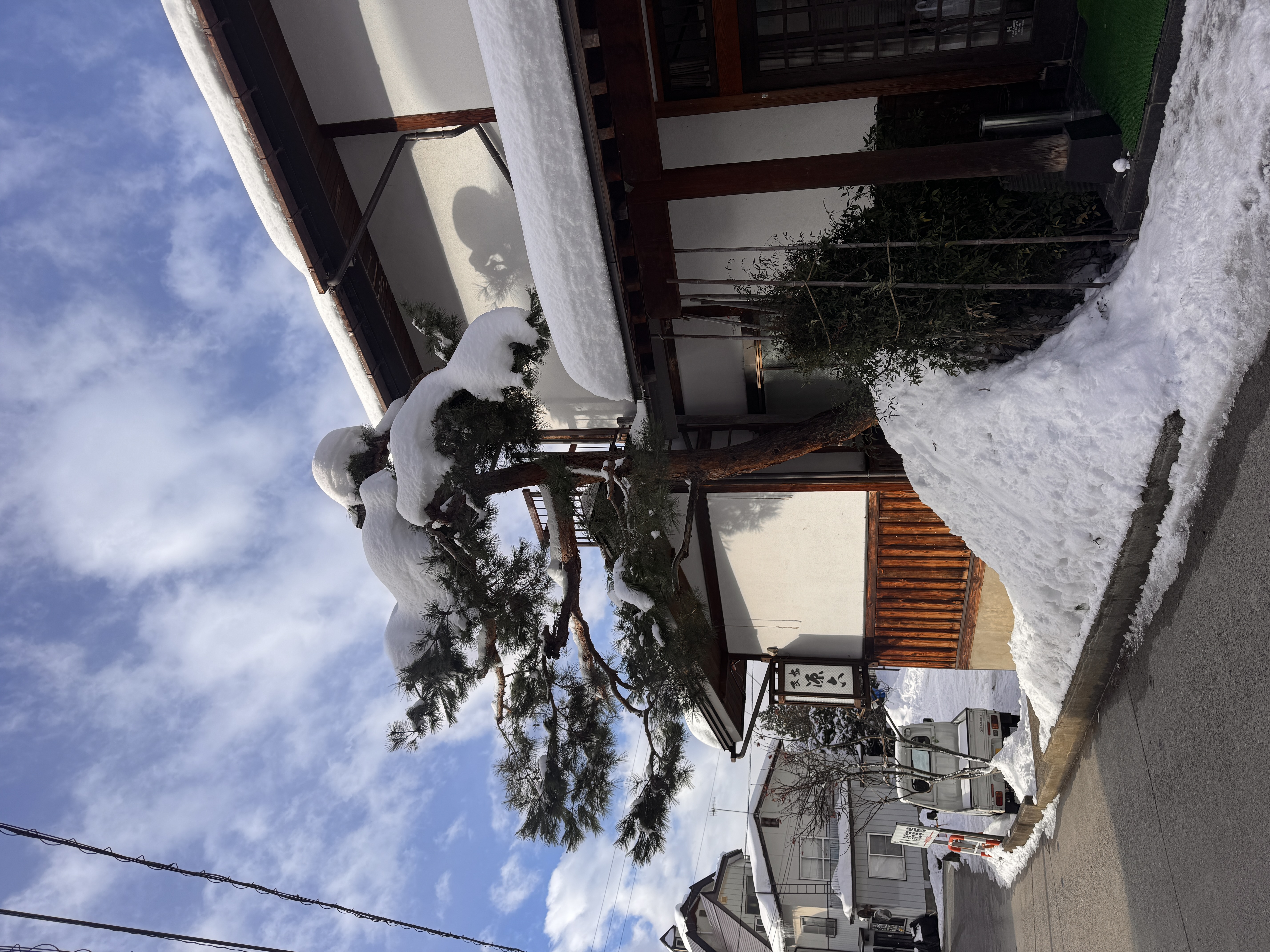
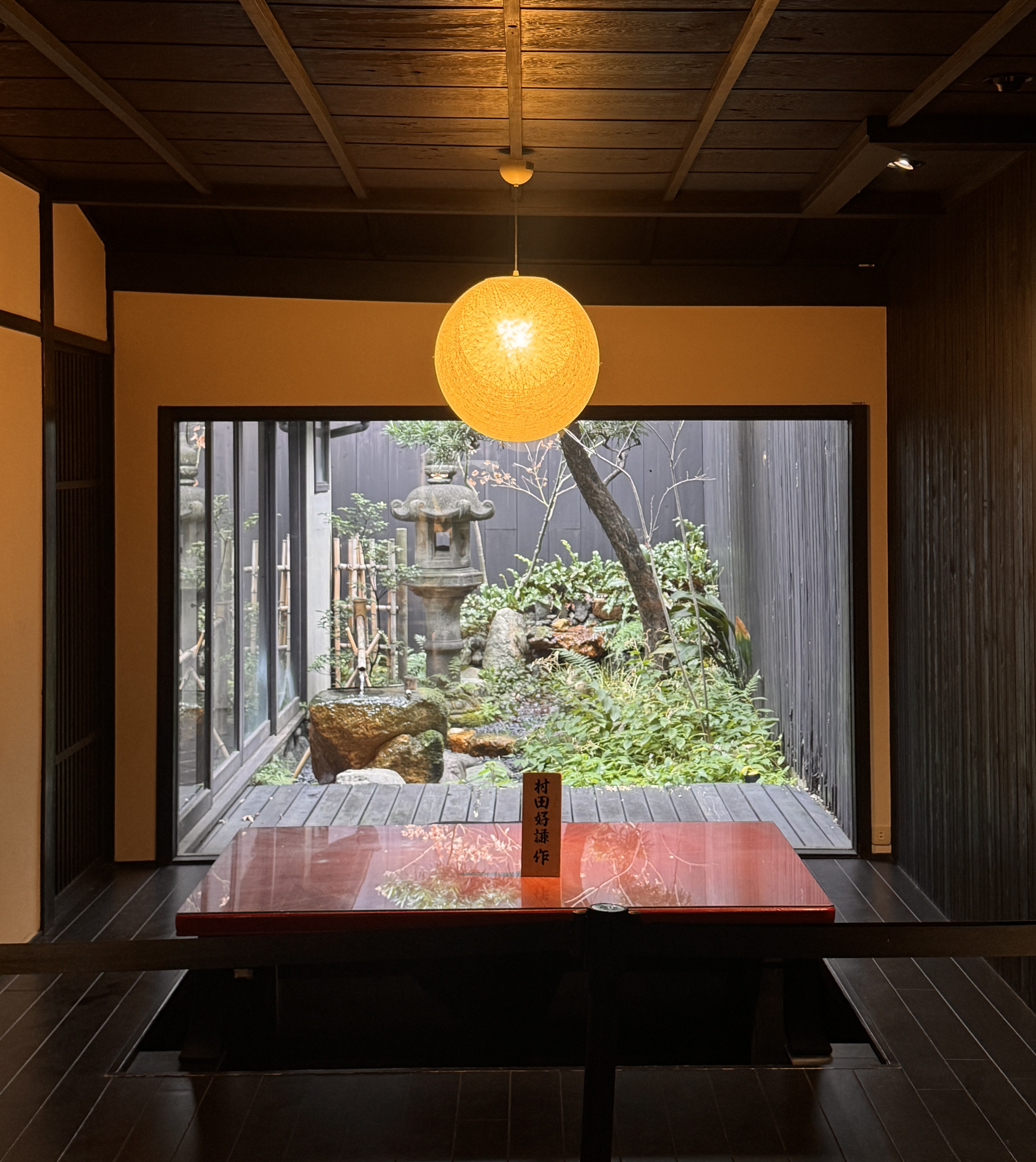
We went to Tokyo, Kyoto, Osaka, and a ski trip in a tiny village called Nozawaonsen. Japan is one of my favorite places on earth (and a great place to join your online lectures at 6 AM).
There's a calmness to it that's hard to describe until you feel it yourself. The attention to detail, the respect for shared space, the general quietness everywhere. Noah Smith recently wrote that Japan represents "alternative modernity": a place substantively similar to other rich, free countries, but that feels different. I think that's right.
Some of the highlights:
Then I started my fourth semester of college.
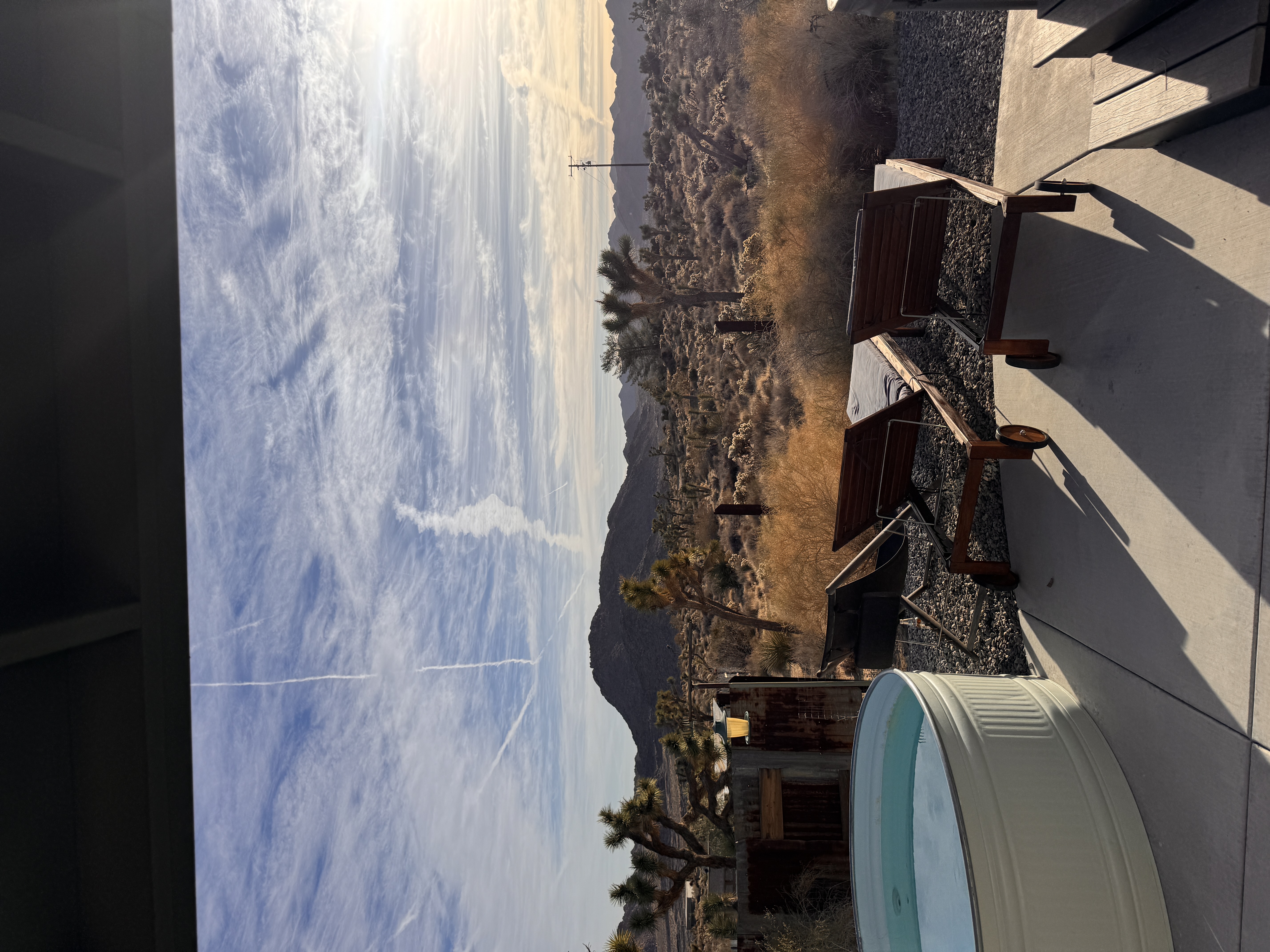
Throughout the spring, I tried to explore more of Southern California when I had a free weekend. I went to Joshua Tree, surfed in the desert (Palm Springs Surf Club), and a handful of short trips to San Diego to see my brother, and Malibu to see my girlfriend. My parents also returned to Northern California and I gave them a surprise visit.
In early 2025, I also started being more active on 𝕏1. Surprisingly, it led to some new relationships and a few quick trips to visit TBPN2, Stripe Sessions, Canva Create, and a few other startup offices.
A few other Q1/Q2 highlights include: a sprint triathlon with my two roommates to raise money for ALS, four-year anniversary with my girlfriend and getting to celebrate her graduation.
In early summer, I traveled through Italy and France with friends and family.
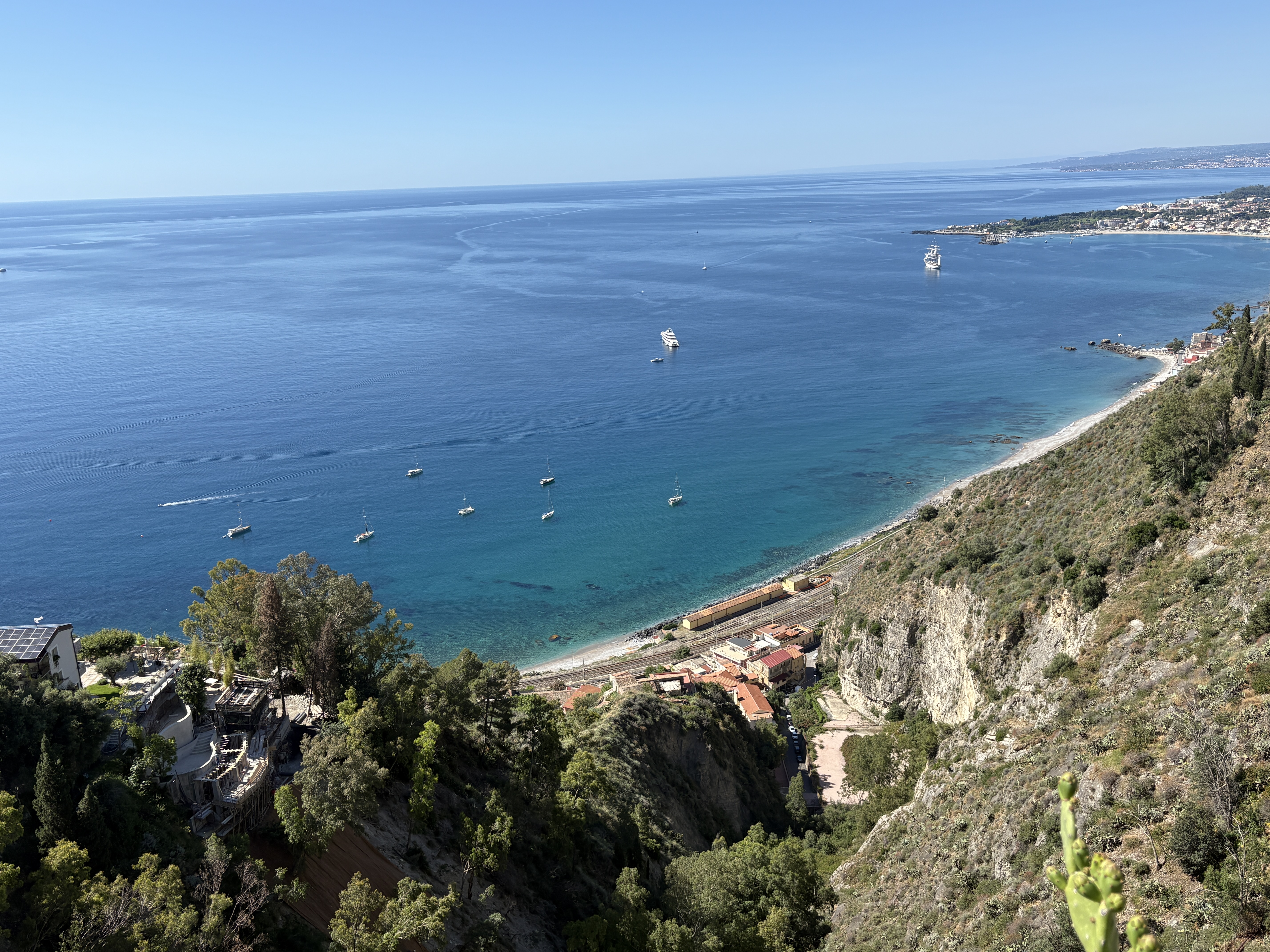
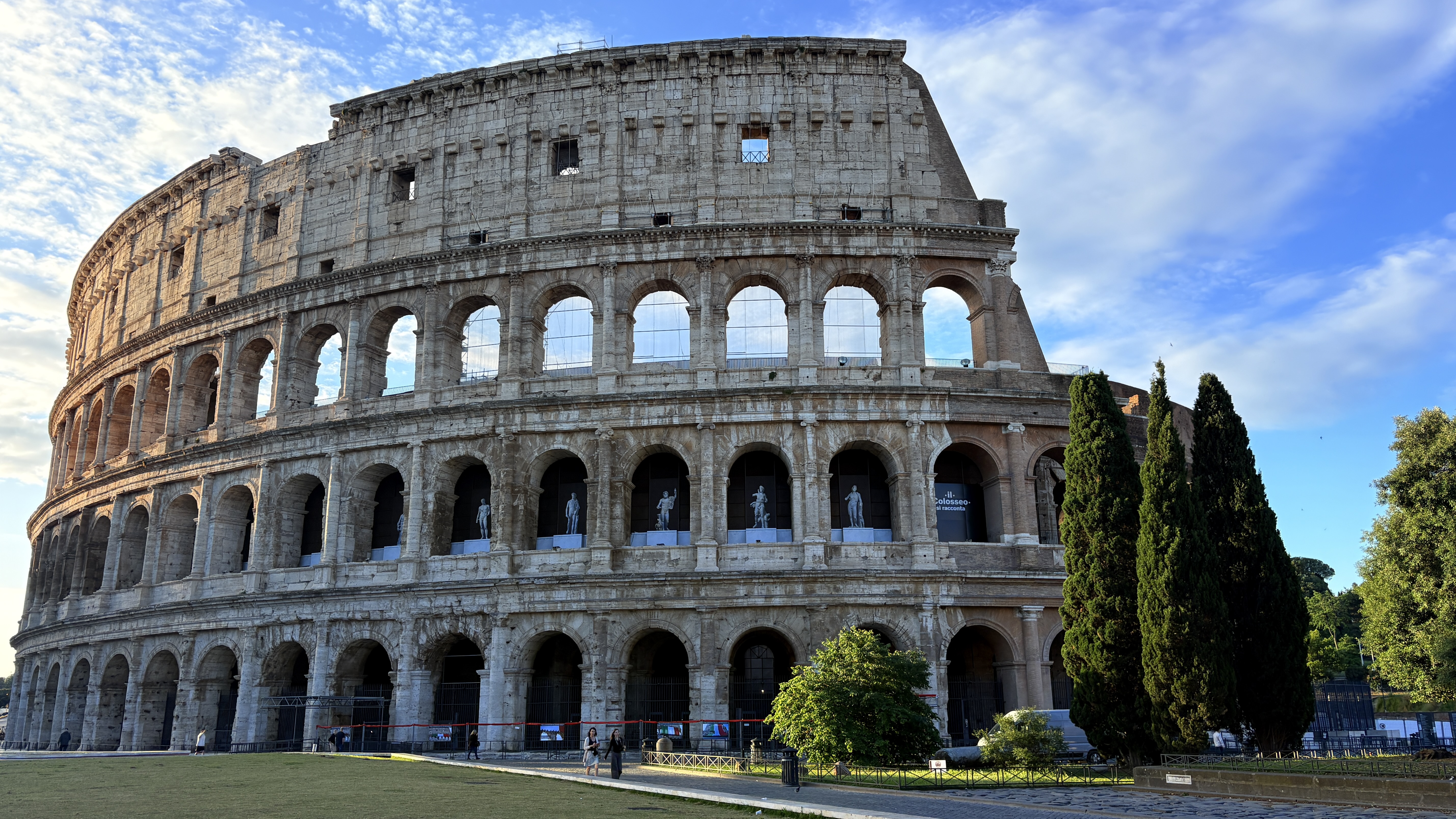
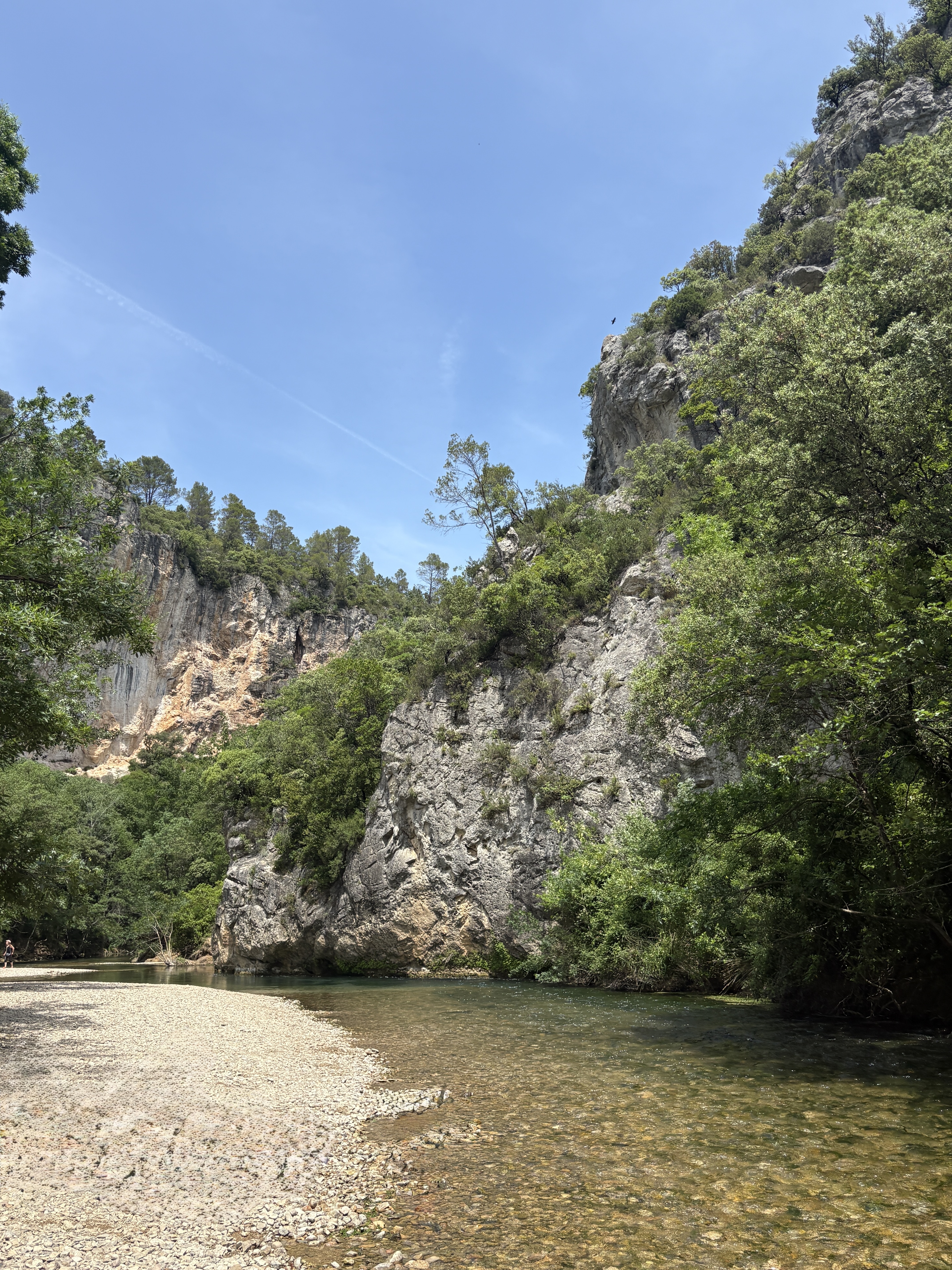
When I returned home, I quickly found an apartment in downtown LA and spent the summer with TBPN in Hollywood.
My first day started at 6:30 AM with a team workout, then breakfast, then straight into the office. By 11 AM, the show was live.
Something that inspired me about this intensity was the compounding reward of showing up daily. While many podcasts or shows make contact with the world weekly, or monthly, TBPN was making contact five days a week. One might think that quality suffers at this volume though. But actually, the opposite is true: volume is the path to quality. The daily feedback loop meant we were effectively compressing months of iterations into weeks or days.
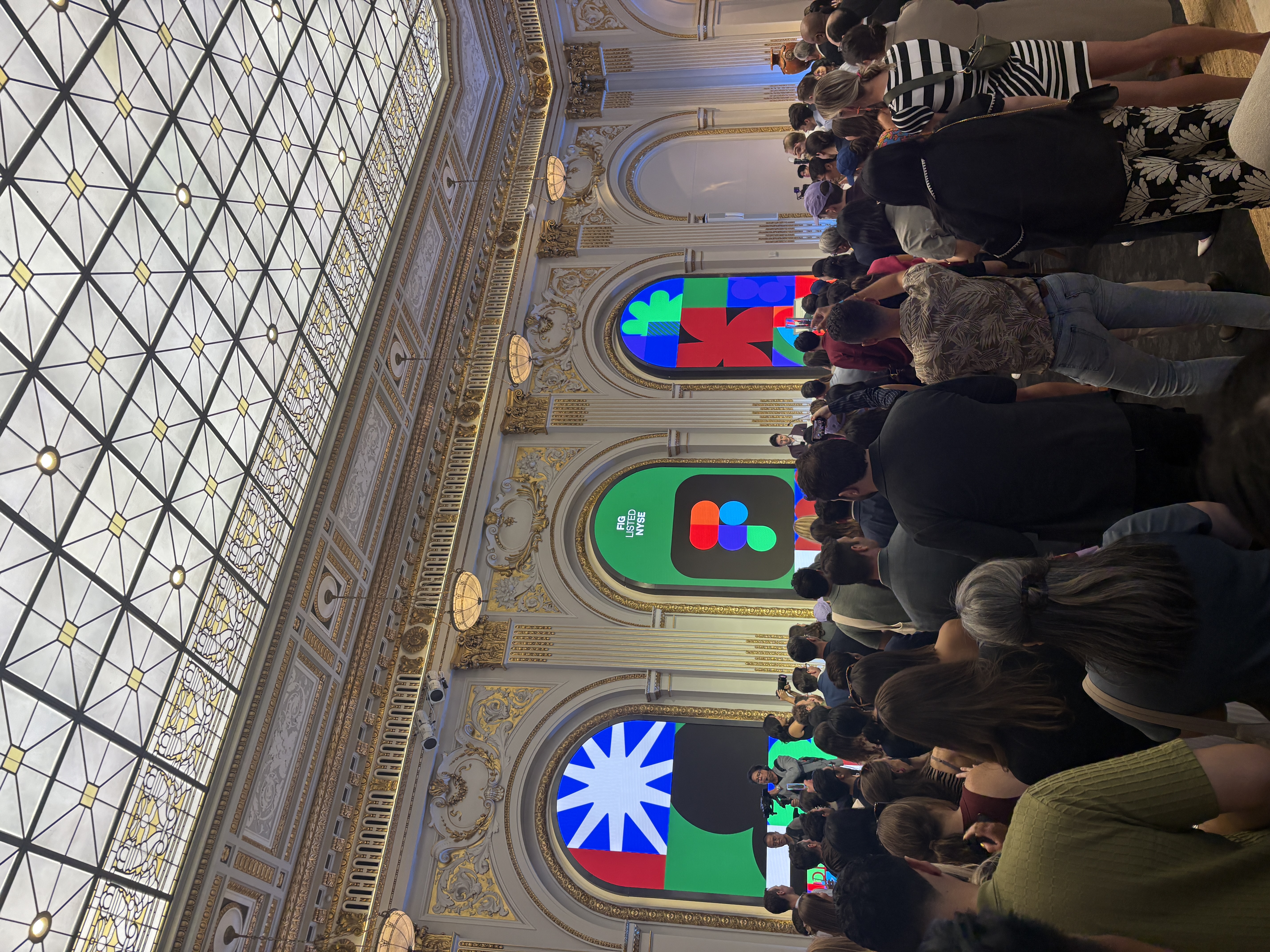
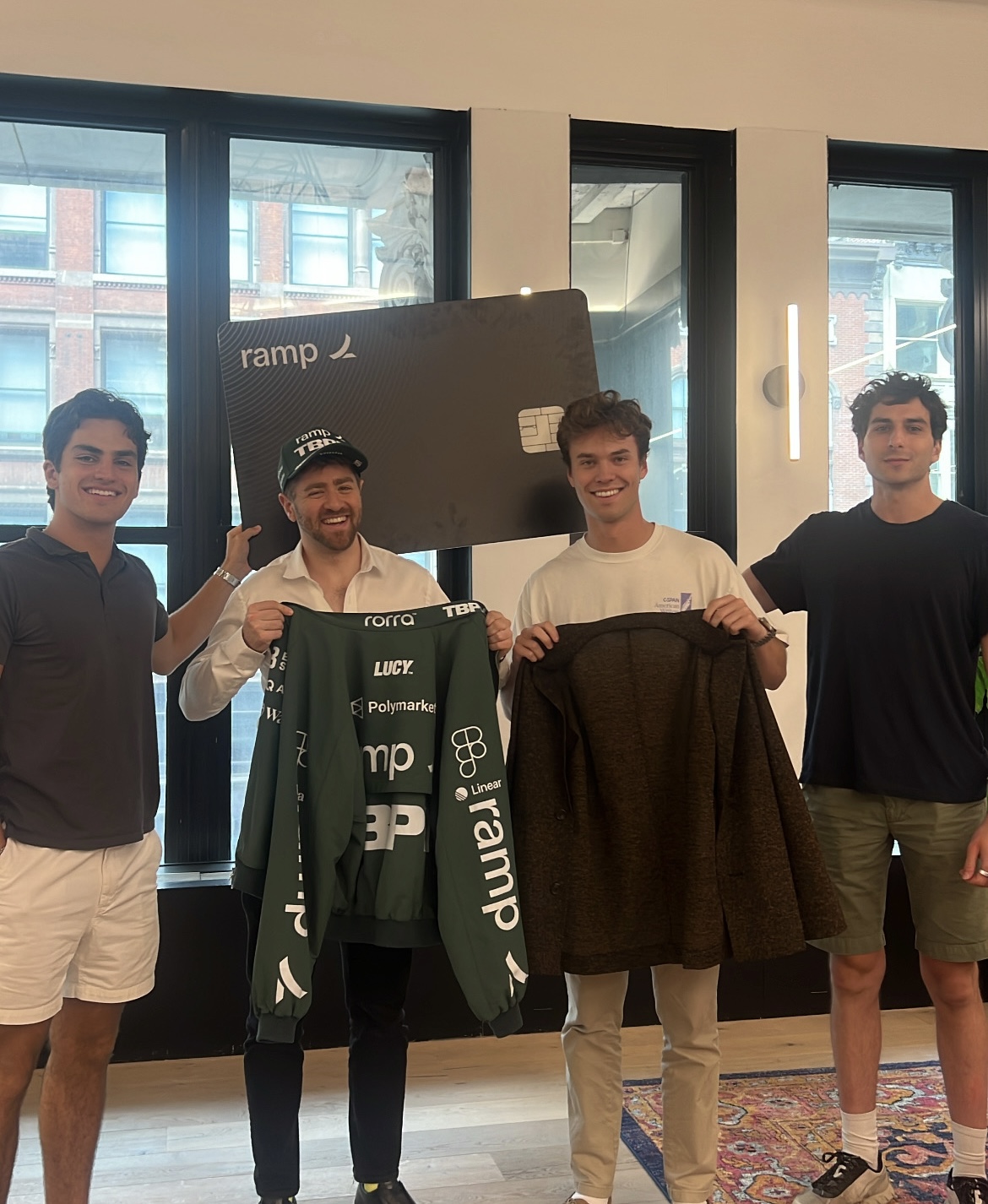
A few other TBPN-intern summer highlights include: traveling to NYC with the team for Figma's IPO, jersey-swapping with Eric Glyman at Ramp, attending YC Demo Day in SF, checking if the "996" discourse is real, when Soham Parekh came on the show, and Friday Murphs with Tyler.
One thing I'll say if you're thinking about competing with TBPN: good luck. John and Jordi do it for the love of the game, and it's hard to compete with someone who's having as much fun as them.
After summer, I was excited to return to school and be with my friends again.
In the fall, I started on a few side projects, got back into tennis, and picked up reading more seriously. Here's a few books I especially enjoyed (send recs my way for 2026):
Breakneck by Dan Wang — A personal look at China and America, contrasting China's efficiency with our own stagnation. It clarified for me that while America must regain its industrial base, we should be deeply grateful for the plurality and civil liberty that fuel our innovation.
The Nvidia Way by Tae Kim — The story of Jensen and Nvidia's relentless culture, near-death moments, and bet on GPUs. "Nvidia's worst enemy isn't competition but complacency."
Let My People Go Surfing by Yvon Chouinard — Part autobiography, part business manifesto. The legendary climber, environmentalist, and Patagonia founder on his journey and the unconventional philosophy behind building it.
Things Hidden Since the Foundation of the World by René Girard3 — Girard's theory that human culture, conflict, and religion all stem from mimetic desire.
Surely You're Joking, Mr. Feynman! by Richard Feynman — Being a genius as playful obsession. Fun stories about Feynman being wildly curious in physics and life.
To close out the year, I turned 21 with my best friends in LA and spent the holidays at home with family.
Beliefs
As I mentioned earlier, I started to write more frequently, and genuinely try to become better at it. A couple months ago, I met with Chris Paik, who is an excellent thinker and investor. He has kept a public document full of frameworks that draw on concepts from various studies. When we spoke, he told me the nice thing about doing this is that you can come back to it months, or even years later, and see how your thinking has evolved.
Since then, I have adopted his practice and I'm excited to look back on some of my writing and witness that evolution myself. Here are a few thoughts and ideas that I deeply believe in or live by:
Importance of agency. Andrej Karpathy had a viral piece4 on agency being more important than intelligence, especially now that intelligence is "on tap." I broadly agree, and can personally admit the best outcomes in my life come from being autonomous. I'd say the same for the people around me who seem to be doing things that make them happy as well.
Urgency. Something I come back to a lot when feeling a sense of general stagnation in my life is urgency. I agree that action produces information, and by moving fast you can get the answers you're seeking quicker. Honestly, most people can go a lot faster than they think. Speed is a force multiplier.
Strive for opportunities with asymmetric upside (I know you've heard this before). Truthfully though, there are many opportunities where the outputs can scale far beyond the inputs. I think this is partly the logic behind Paul Graham's quote "Do things that don't scale." For example, publishing your ideas or work on 𝕏 has asymmetry to it in the sense that the low-effort input (a meme) can be put in front of the Pope. Or the POTUS. Other examples where the upside is asymmetrical might include: writing a book, starting a podcast, building software, or even making an effort to meet more people in person. These all share the remarkable quality that a single seed can compound indefinitely.
Of all opportunities, perhaps none offer greater leverage than in people. In a world where many relationships are transactional, genuine curiosity and helping with no expectation of return is its own reward. And yet, it also compounds. A single conversation can matter more than a hundred cold emails. An introduction that takes five minutes can change someone's trajectory.
This year, I tried to help more friends with important career decisions. Watching someone you've been rooting for succeed is one of the best feelings there is.
Onward
Economic growth is a function of capital, labor, and technology. But these inputs aren't equal; capital and labor face diminishing returns, technology doesn't.
You can keep building factories, buying GPUs, piling on more machines… but if the productivity of labor stays flat, growth eventually stalls, you end up with more capital than your workers can effectively use.
The only way through is technology that makes each worker more productive.
Technology is and has been the driver, and startups are the engine.
Innovation comes from people who see something others don't and have the agency to pursue it.
In a world where intelligence is becoming abundant, the scarcity becomes that agency.
As this year ends, I feel energized and grateful to be around people pushing this frontier. I believe it's truly a special time to be young, ambitious, and American.
Here's to 2026!
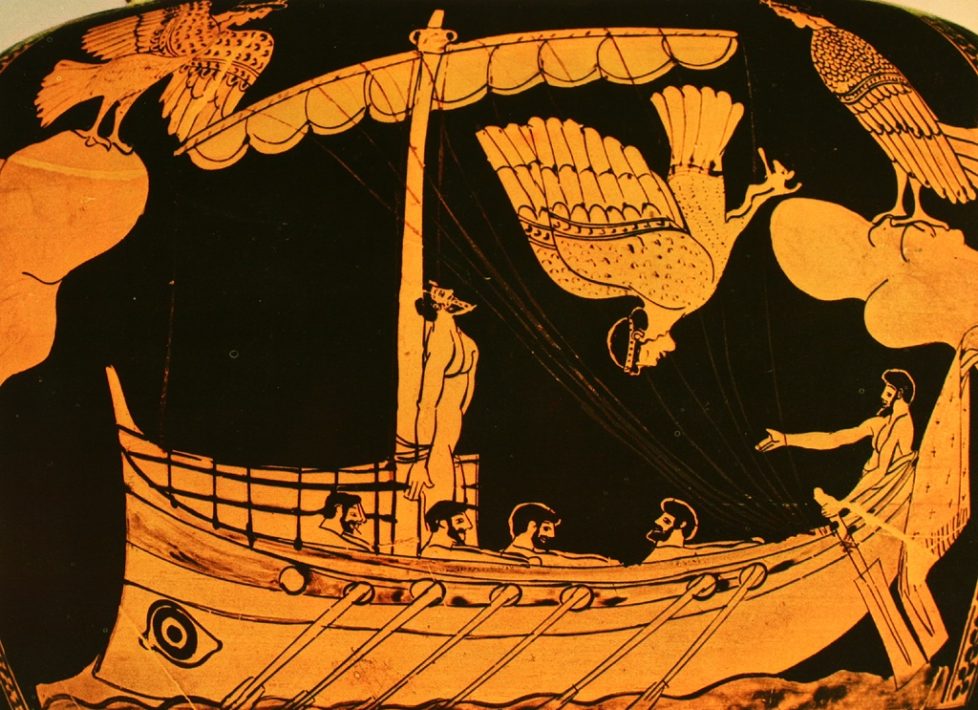
Thanks to my friends for reading before I shared. The cover painting is Odysseus and the Sirens, c. 480–470 BC. Shoutout Samay and Dan Wang for inspo on writing this.
- Shoutout Dylan!
- This was PU. "Pre-Ultradome" days.
- Structured as a dialogue between Girard and two psychiatrists. Dense but rewarding.
- In The Third Door, agency is defined as: the refusal to accept the binary choice of "waiting your turn" (first door) or "being born privileged" (second door). It's the realization that the person with agency enters through the third door—one they create themselves.